Evolution in Efficiency
Biomethane Plant
With growing demand for biomethane production, Evo Energy Technologies supplies advanced biomethane plants to the Australian market, delivering high efficiency, reliable operation, and consistently high gas quality.
These systems have been refined over more than a decade of development and optimisation, setting a benchmark for energy consumption, gas purity, and long-term operating costs.
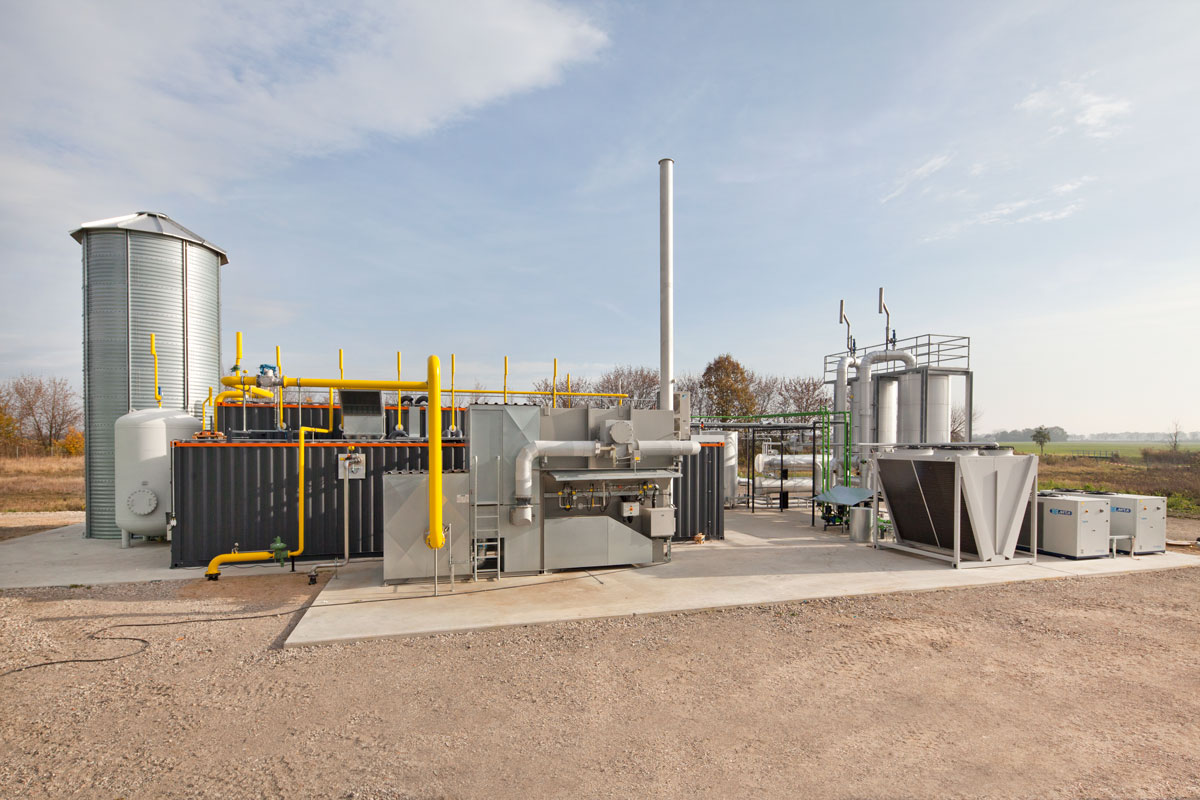
Engineered for Performance and Reliability
These biomethane plants are recognised for their efficient design and robust performance, delivering industry-leading outcomes for energy consumption, gas purity, and operating costs.
Suitable for upgrading gas from waste, landfills, and wastewater treatment plants, biomethane plants offer up to 99% plant availability with the lowest energy consumption.
Suitable for upgrading gas from waste, land-fills and waste water treatment plants
A broad purification capacity range that goes from 200 to 10.000 Nm³/h
CH4 concentration in the product gas can be set from 95 - 99%
Lowest energy consumption of as low as < 0.14 kWh/Nm³ including pre-conditioning
Plant availability of up to > 99%
Low maintenance costs
Intelligent design
Lowest energy costs
product gallery
The Biomethane Plant at a Glance


Fields of use for the Biomethane Plant
Engineered for performance and reliability, the biomethane plant is designed for high-efficiency gas upgrading applications, delivering reliable performance with low energy consumption, high gas purity, and optimised operating costs.
Suitable for upgrading gas from waste, landfills, and wastewater treatment plants, the system offers plant availability of up to 99 percent while maintaining very low energy consumption.
The process automatically adapts to varying gas volumes and compositions, ensuring consistent product gas purity and stable heating value, making it suitable for grid injection and other downstream applications.
Projects
Paving the way for a more sustainable future
Our portfolio highlights a dedication to innovative and sustainable energy solutions, along with a focus on delivering significant cost savings and operational efficiencies for clients.


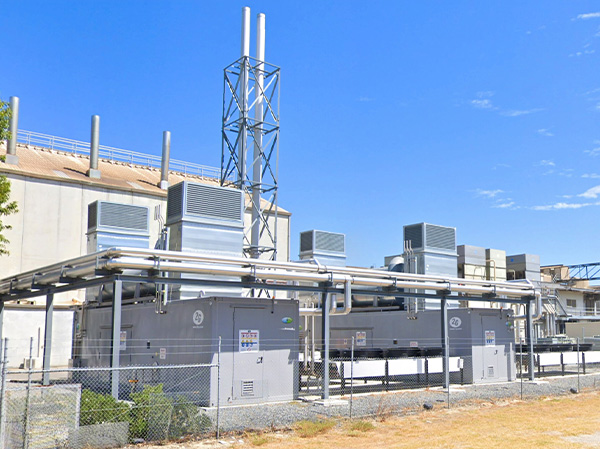


Our specialist team of engineers create fit- for-purpose energy solutions to meet your specific requirements.


At the forefront of technology and precision, our world-class sales and engineering team deliver sustainable solutions that redefine industry standards

Evo Energy Technologies acknowledges the Traditional Owners of Country throughout Australia and recognises their ongoing connection to land, waters and community. We pay our respects to Elders past and present, and acknowledge the Jagera, Yuggera and Ugarapul peoples of the Yugara/Yagara Language Group, the Traditional Owners of the land on which our head office is located.
© 2026 Evo Energy Technologies All Rights Reserved.
Website designed by Balar Media Group
Company
Applications
Solutions
Policies
Connect
12 Gliderway St, Bundamba QLD 4304
Ph: 1300 012 471
What is biomethane, and how is it different from biogas?
Biogas is the raw gas that comes off anaerobic digestion of organic material: sewage sludge at a wastewater treatment plant, food and process waste, animal waste, or the decomposing waste in a landfill. It is typically 50% to 65% methane, with the rest mostly carbon dioxide plus moisture and trace contaminants such as hydrogen sulphide and siloxanes.
Biomethane is biogas that has been upgraded: the carbon dioxide, water and contaminants are removed until the gas is 95% to 99% methane. At that purity it behaves like natural gas, so it can be injected into the gas network, compressed as vehicle fuel, or stored and used on site. A biomethane plant is the equipment that does that upgrading.
Use the gas on site, or inject it into the network?
A site that produces biogas has two main ways to turn it into value, and Evo Energy Technologies supplies both:
- Generate electricity and heat on site with a biogas cogeneration plant. The raw biogas is treated and burned in a 2G engine, and the site uses the power and heat itself. This suits sites with a steady demand for both, such as wastewater plants, meat processors and piggeries.
- Upgrade the biogas to biomethane with an ETW biomethane plant and inject it into the gas network, or use it as renewable gas for processes that need gas rather than electricity. This suits sites that produce more gas than they can use, or that are close to a gas main and can earn more from renewable gas than from electricity.
The two are not exclusive. A plant can run a cogeneration engine on part of its gas to cover its own power and digester heating and upgrade the rest, and Evo's engineers model both options from the site's gas production data before recommending a path.
What the ETW biomethane plant delivers
- Purification capacity from 200 to 10,000 Nm3/h of raw biogas
- Methane concentration in the product gas adjustable from 95% to 99%
- Energy consumption as low as 0.14 kWh per Nm3, including pre-conditioning
- Plant availability above 99%
- Automatic adaptation to changing gas volumes and compositions, so the product gas stays within the purity and heating value the network requires
- Engineered in Germany and refined over more than a decade of operation
Frequently asked questions
Which sites can produce biomethane?
Any site with a reliable biogas supply: wastewater treatment plants with sludge digesters, landfills with gas capture, food and beverage manufacturers with organic waste digesters, and agricultural operations such as piggeries, dairies and feedlots.
Can biomethane be injected into the Australian gas network?
Yes, where the network operator accepts it and the gas meets its specification for methane content, heating value and contaminants. The ETW plant is designed to hold the product gas within those specifications automatically. Network connection and gas quality approval are handled with the local network operator as part of the project.
Is biomethane renewable?
Yes. It is made from biogas, which comes from organic material that would otherwise decompose and release methane to the atmosphere. Capturing and upgrading it displaces fossil natural gas.
Can a biomethane plant be added to an existing biogas site?
Yes. Biomethane upgrading is often added to a site that already captures biogas and either flares it or runs a cogeneration engine on it, to make use of gas that is currently surplus.
To talk through biomethane for your site, call 1300 012 471 or contact Evo Energy Technologies. Related reading: cogeneration, biogas treatment and our news item on biomethane growth in Australia.